
full body mirror with led lights
How to Turn Off the Main Water Valve Understanding how to turn off your main water valve is crucial for every homeowner. Whether you're facing a plumbing emergency, conducting repairs, or preparing for severe weather, knowing how to quickly and efficiently shut off your water supply can prevent significant damage and costly repairs. Why You Need to Know How to Turn Off Your Water Valve The main water valve controls the flow of water into your home from the municipal supply or well. In situations like burst pipes, overflowing toilets, or water heater leaks, turning off this valve can stop water from flooding your home. Additionally, if you’re going on vacation or if a hurricane is forecasted to hit your area, it’s wise to turn off the valve to minimize potential water-related issues. Locating Your Main Water Valve Before you can turn off your main water valve, you need to know where it’s located 1. Inside the Home The valve is often found in a basement, crawl space, or near your water meter. In colder climates, it is generally located inside the house to prevent freezing. 2. Outside the Home If you live in a situation without a basement (like ranch-style houses), the valve might be situated outside, typically near your home’s foundation or along the perimeter of your property. 3. Tail of the Water Meter If your home is connected to a municipal water supply, the valve is usually located directly after the water meter; this is the point where the city’s water supply enters your home. Types of Main Water Valves There are generally two types of main water valves gate valves and ball valves . - Gate Valve This type has a round wheel that you turn to open or close the valve. To shut it off, turn the wheel clockwise until it stops. Gate valves can be slow to operate and may require multiple turns. how to turn off main water valve - Ball Valve This valve is usually more efficient and features a lever handle. To turn it off, simply rotate the handle 90 degrees so that it is perpendicular to the pipe. This valve can be turned off with a single motion. Steps to Turn Off Your Main Water Valve 1. Identify the Type Determine whether you have a gate valve or a ball valve, as the method for turning it off differs. 2. Access the Valve Ensure the area around the valve is clear and accessible. If it’s in a basement or crawl space, clear away any stored items or debris. 3. Prepare Turn on a faucet at the highest point in your home. This helps to relieve any pressure in the pipes and forces most of the water out of the system. 4. Turn Off the Valve - For Gate Valve Slowly turn the round handle clockwise until it’s tightly closed. Be cautious; overtightening can damage the valve. - For Ball Valve Switch the lever handle perpendicular to the pipe direction. 5. Verify Go to the lowest faucet in your home and turn it on. If no water flows out, you’ve successfully turned off the main water valve. After Turning Off the Valve Once the main water valve is closed, you should address the issue that prompted the action, whether it’s calling a plumber for emergency repairs or waiting for storm conditions to improve. Remember to inspect your plumbing system regularly for leaks or signs of wear, as proactive maintenance can save you from emergencies in the future. Conclusion Knowing how to turn off your main water valve is an essential skill for any homeowner. By familiarizing yourself with its location and operation, you can take swift action during an emergency, ensuring the safety and integrity of your home. Don’t wait for an emergency to learn how to do this; take the time today to locate your valve and understand how it operates. Your future self will thank you!
about
full body mirror with led lights
Understanding Pressure Gauge Thread Types Pressure gauges are essential instruments used in various industries to measure the pressure of gases or liquids. To ensure proper installation and functionality of these gauges, it is vital to understand the different types of thread connections available. The choice of thread type can significantly impact the performance, safety, and reliability of pressure measurement systems. This article will explore the most common thread types used in pressure gauge connections, their applications, and considerations for selecting the appropriate type. Common Thread Types 1. NPT (National Pipe Tapered) Threads NPT threads are among the most widely used in the United States and are characterized by their tapered profile, which helps create a seal as the threads are tightened. This feature makes them suitable for both gaseous and liquid applications, preventing leaks effectively. NPT threads are available in various sizes and are typically used in hydraulic systems, gas lines, and pneumatic applications. 2. BSP (British Standard Pipe) Threads BSP threads are popular in Europe and other parts of the world. They come in two varieties BSPP (parallel) and BSPT (tapered). The tapered design of BSPT is similar to NPT, offering a reliable seal when used with a suitable sealant or tape. In contrast, BSPP threads are parallel, requiring an additional O-ring or sealing washer for leak prevention. BSP threads are commonly found in plumbing, heating, and other fluid systems. 3. Metric Threads Metric threads are commonly used in Europe and feature a straightforward, equally spaced thread profile. ISO metric threads are prevalent in pressure gauges designed for European markets. These threads are often found in industrial applications and provide a robust connection. Proper care must be taken to ensure the accurate specification of thread diameter and pitch when using metric threads. 4. SAE (Society of Automotive Engineers) Threads SAE threads, particularly used in North America, are widely employed in automotive and hydraulic applications. Unlike NPT and BSP threads, SAE threads are generally straight and often require additional sealing elements, such as O-rings or sealing compounds, to prevent leaks. Understanding SAE thread standards is crucial for any applications involving automotive or machinery repairs. Considerations for Selecting Thread Types pressure gauge thread types When selecting the appropriate thread type for a pressure gauge, several factors need consideration - Application Requirements Depending on whether the application involves gases, liquids, or a specific industry standard, the choice of thread type can vary . - Leak Prevention The ability of the thread type to create a reliable seal is paramount for safety and accuracy in pressure measurement. Tapered threads generally provide better sealing properties than parallel threads. - Compatibility It’s important to ensure that the thread type of the pressure gauge matches that of the installation point to avoid compatibility issues and leaks. - Material Compatibility Different materials may react differently with various fluids. Ensuring that both the gauge and connection threads are compatible with the substances they will encounter is essential for safety and performance. Conclusion Understanding pressure gauge thread types is crucial for ensuring accurate pressure measurement and safe operation in various applications. NPT, BSP, metric, and SAE threads each have their unique characteristics, advantages, and applications. By considering the specific requirements of a project or system, one can select the appropriate thread type to ensure optimal performance and reliability. Always consult technical specifications and industry standards to make informed decisions regarding thread types in pressure gauge installations.
-

High quality industrial productsagement

High quality industrial products
View Details -

Meet the diverse needs of customers

Meet the diverse needs of customers
View Details -

Strict quality control

Strict quality control
View Details -

Top raw materials

Top raw materials
View Details -

Trusted supplier

Trusted supplier
View Details
Our application


news and information

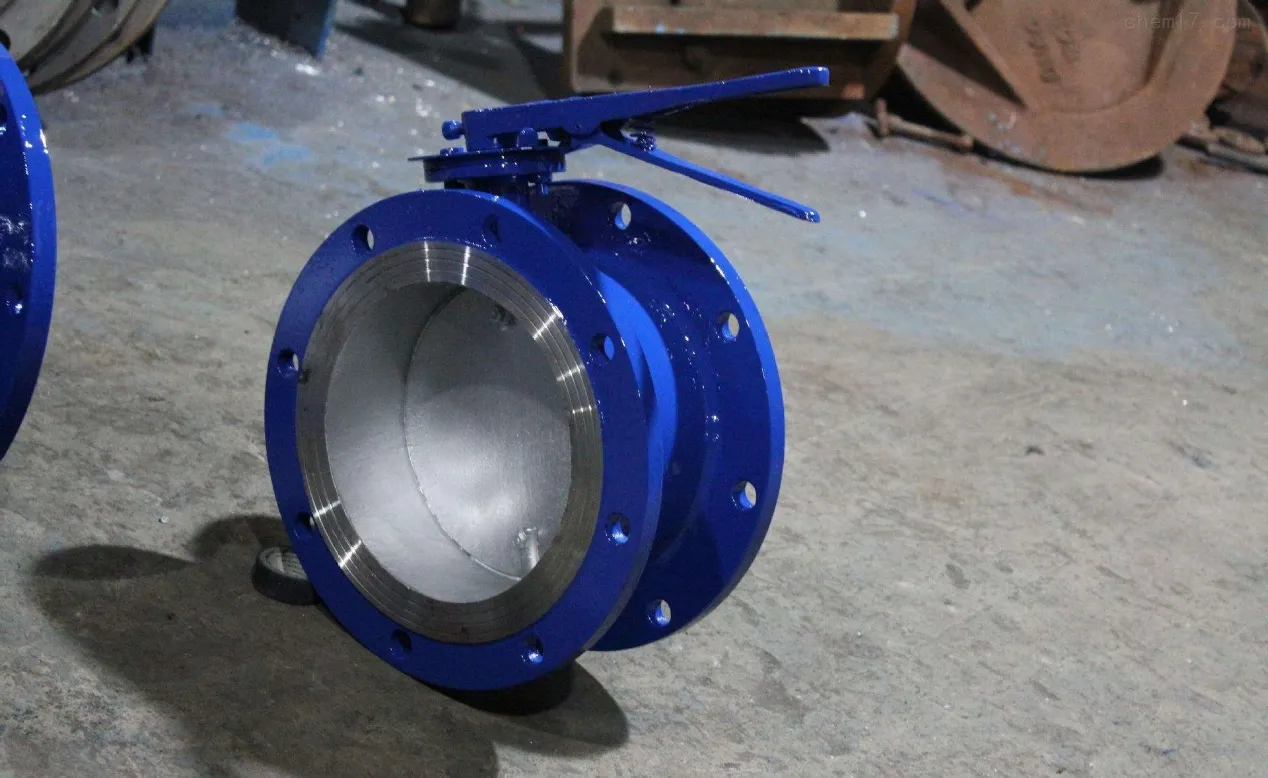
Water Valve Features for Efficient Flow Control
In the dynamic field of fluid management, valves serve as indispensable components, acting as the gu
V Frames - Innovative Video Frame Solutions for Your Visual Needs
Understanding V-Frames in Video Production In the world of video production, the term V-frames refer

Y Type Strainer Maintains System Efficiency Long Term
In the realm of industrial fluid management, the y type strainer stands as an unsung hero, silently
 English